A Step-By-Step Guide to Building Real-time Apps
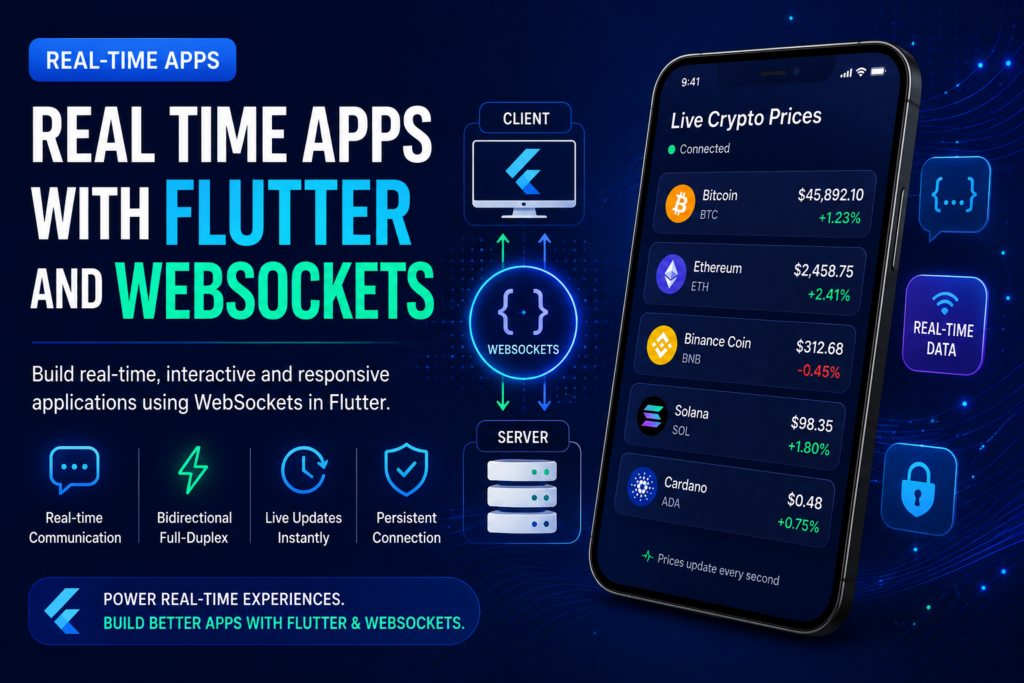
Quick Summary Real-time communication is pivotal in modern applications, facilitating smooth interaction between clients and servers. Within Flutter, harnessing Dart’s websockets provides a crucial mechanism for real-time data exchange. This article delves into the essentials of websockets and their integration within Flutter, focusing on their significance and practical implementation steps in both Dart server-side and […]
Flutter Flow AI
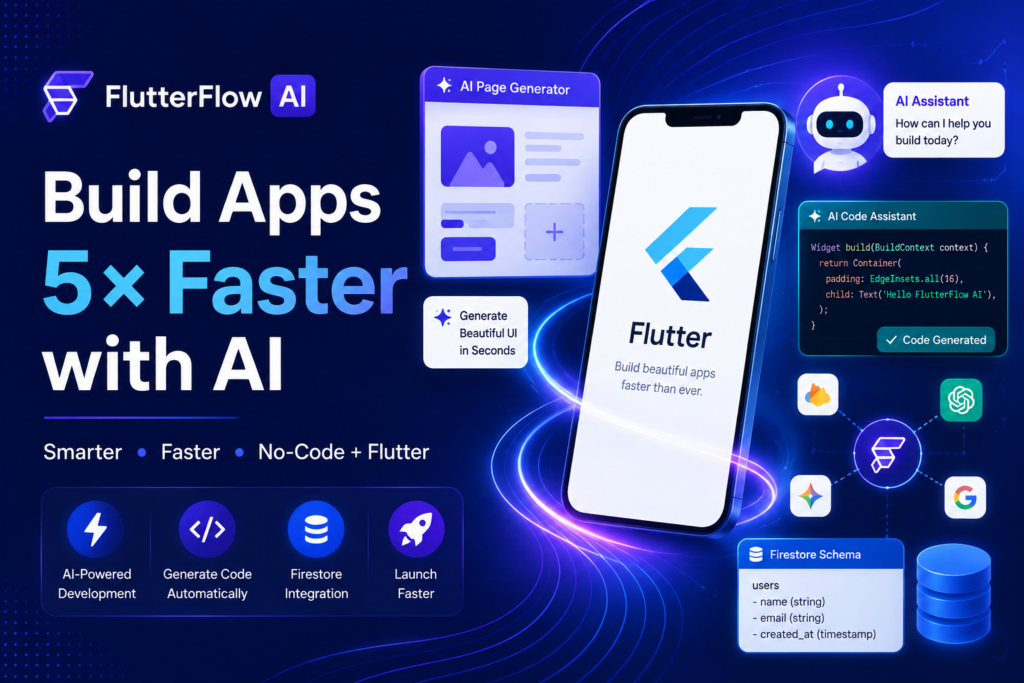
Quick Summary FlutterFlow AI is a low-code platform enhanced with AI that speeds up app development by automating code generation and offering smart design suggestions. In this blog, we’ll explore why FlutterFlow AI is gaining popularity, its key features and benefits, practical use cases, potential risks, future trends, and how Bacancy can help you maximize […]
Native vs Cross Platform
Quick Summary Native vs cross platform app development is the most talked-about comparison of two approaches used to build mobile applications. Native app development highlights platform-specific development, while cross-platform is about using a single codebase to run applications on multiple platforms. This blog explains the differences, benefits, and use cases of cross platform vs native […]
Flutter BLoC vs Riverpod vs Provider
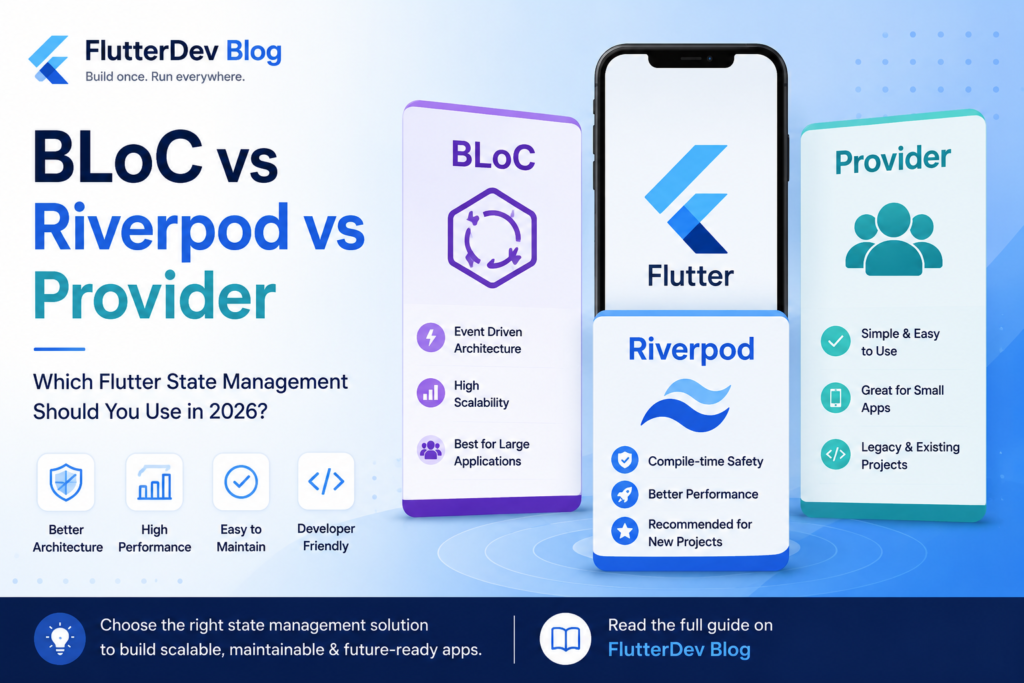
uick Summary Flutter state management is how an app stores data, decides which widgets rebuild, and keeps the UI in sync with logic. The library you choose locks in your testing, onboarding, and refactor cost for years, so it deserves a deliberate decision. In 2026, the short answer is Riverpod for most new apps, BLoC […]